The Art of Paint Correction: A Modern Restoration Guide
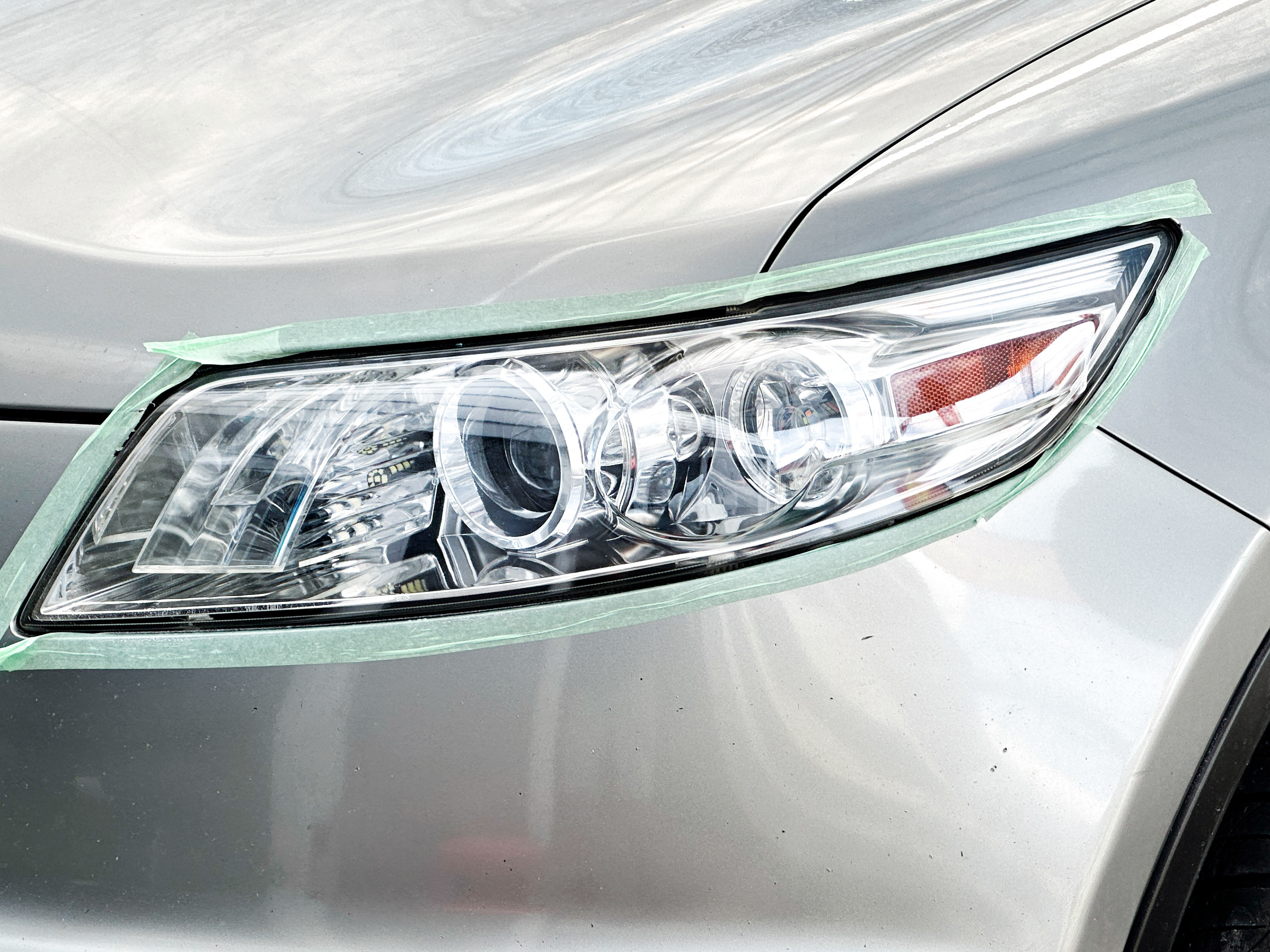
Paint correction is the specialized process of permanently removing surface imperfections from a vehicle’s finish to restore its original—or better-than-original—clarity and gloss.
Unlike a standard "buff and wax" that uses fillers to temporarily hide scratches, true paint correction involves the mechanical leveling of the clear coat. By using various grades of abrasive compounds and precision machinery, we remove a microscopic layer of the surface to eliminate defects rather than just covering them up.
What We Correct
Automotive paint is constantly under siege. Even with careful maintenance, several types of damage can dull the "depth" of your car’s color:
Swirl Marks: The "spiderweb" scratches often caused by automated car washes or improper drying techniques.
Buffer Trails (Holograms): Often caused by high-speed rotary tools in inexperienced hands, we specialize in removing these unsightly 'ghost' marks.
Fine Scratches: Light surface marks that haven't yet penetrated the base paint.
Etching: Permanent marks caused by bird droppings, acid rain, or hard water minerals.
Oxidation: A milky, chalky appearance caused by long-term UV exposure, common on older single-stage paints.
The Science of Reflection
The "shine" you see on a car is actually light reflecting off the surface. When a car is covered in micro-scratches, the light hits those jagged edges and scatters in different directions, making the paint look dull or gray.
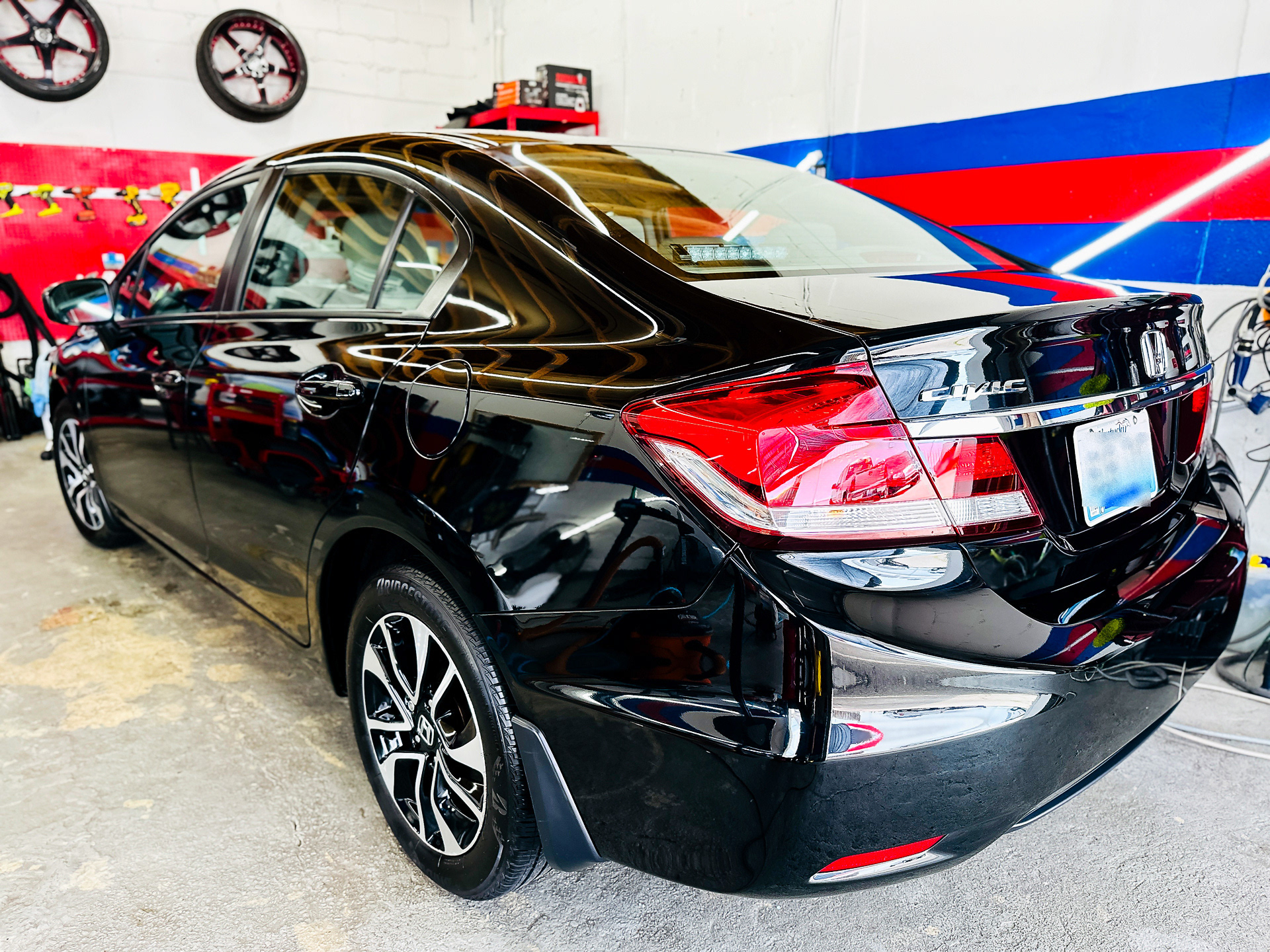
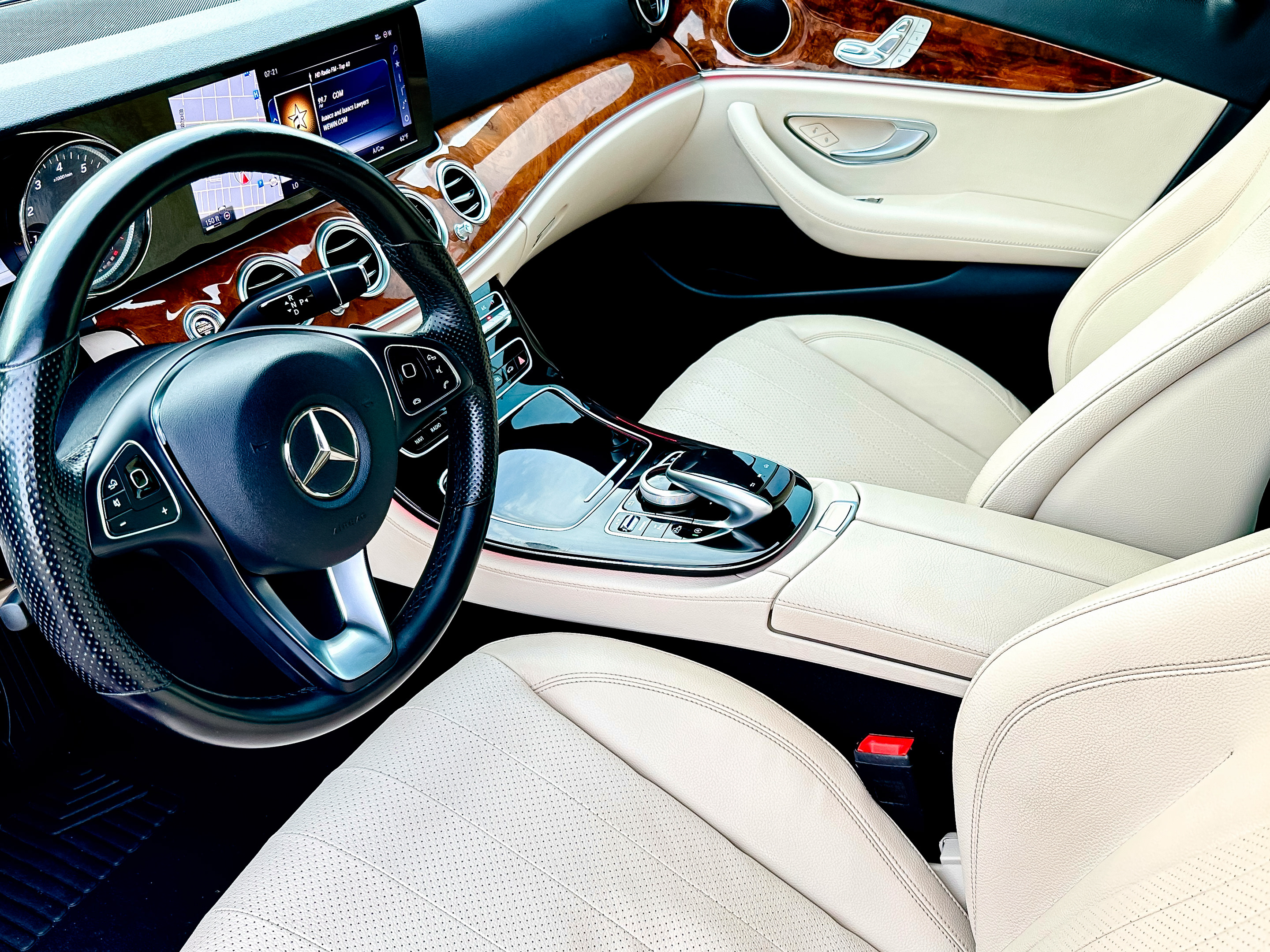
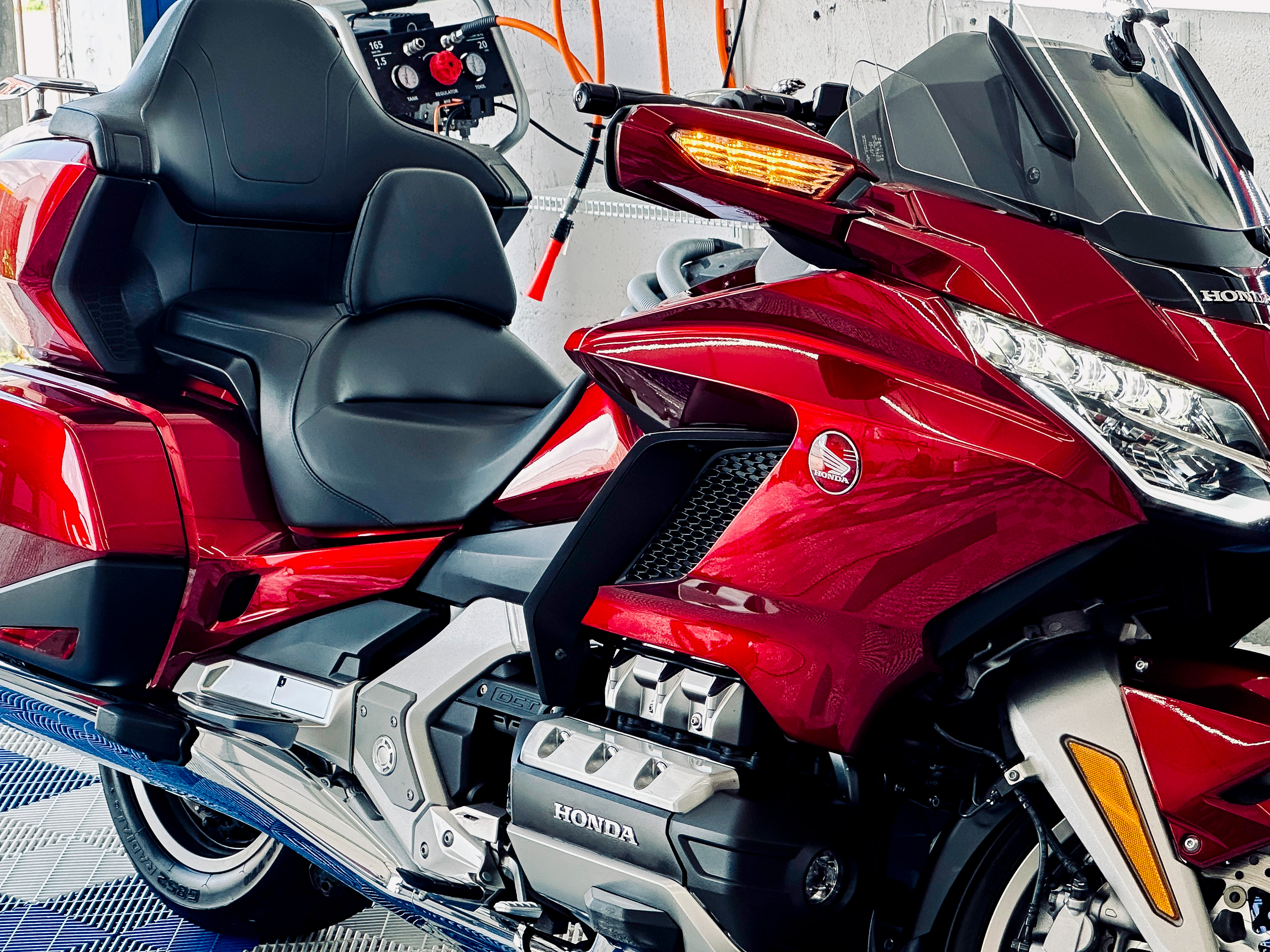
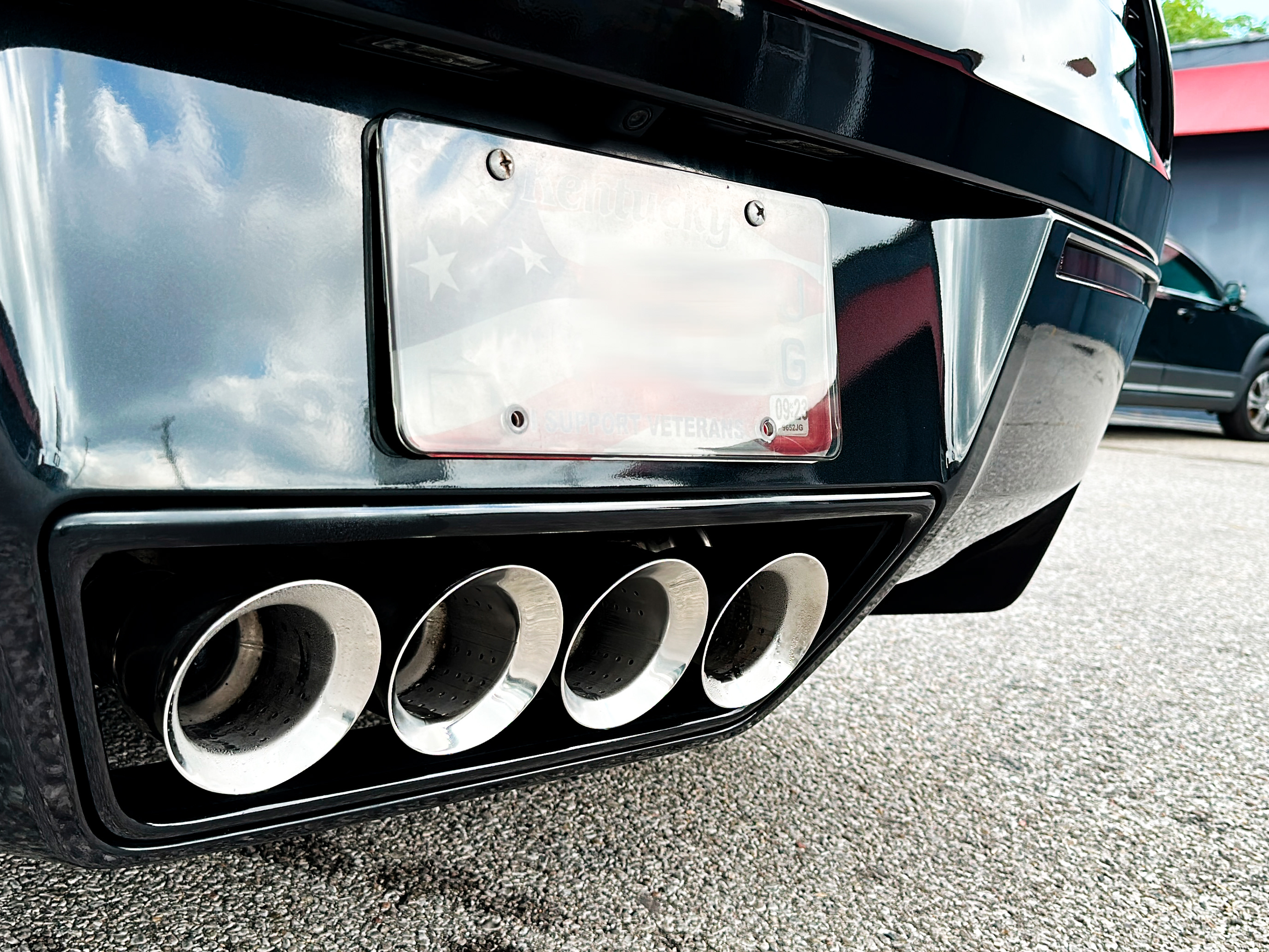
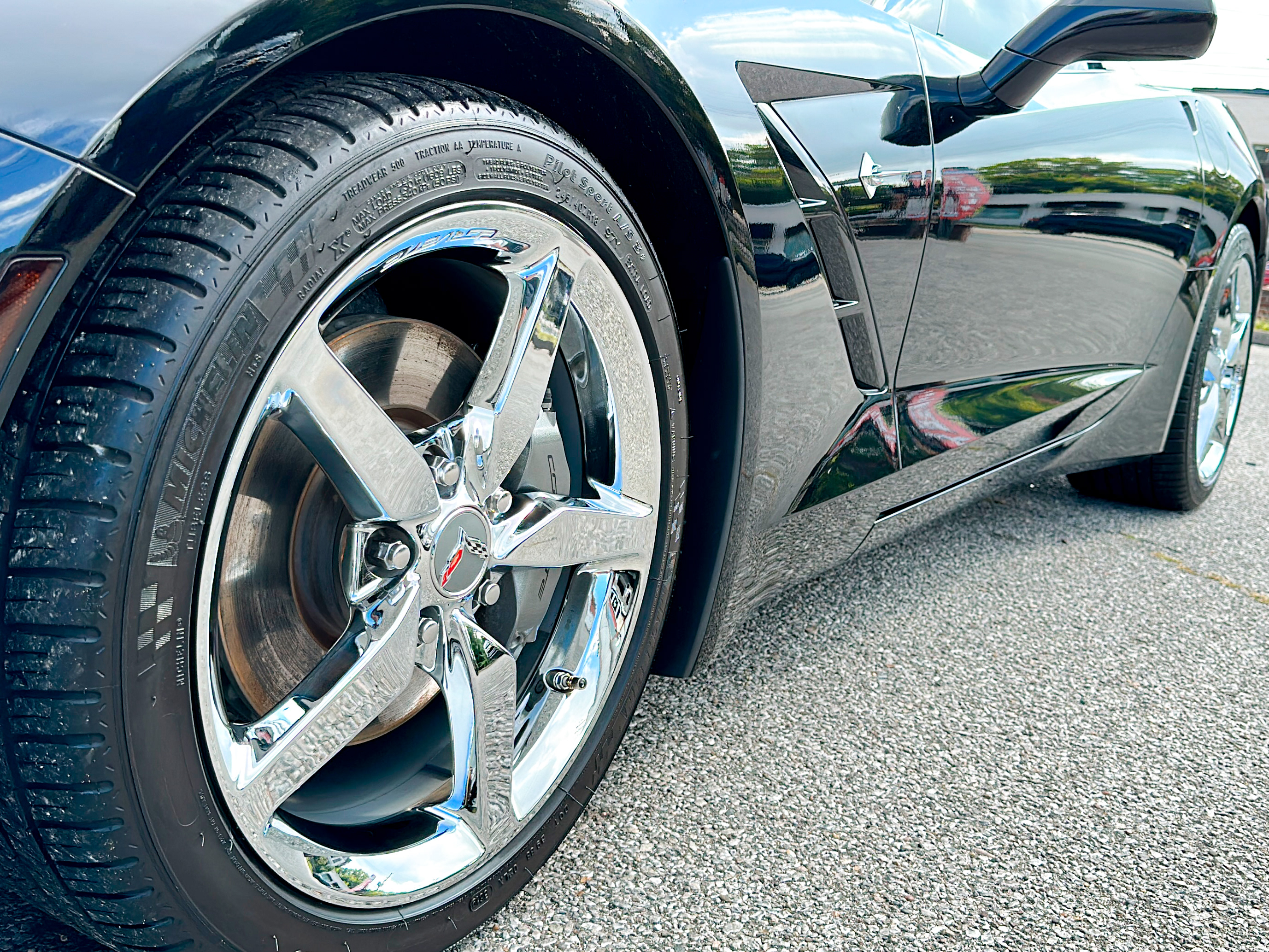
Our Goal: To level the surface until it is perfectly flat. When light hits a corrected surface, it reflects directly back to your eye, creating that "wet-look" depth and mirror-like finish seen on high-end restorations and show cars.
Our Multi-Stage Approach
Because every paint system has a different level of hardness and thickness, we never use a one-size-fits-all method. We analyze your vehicle's specific needs—from a Stage 1 refinement for daily drivers to a 5-Stage wet sanding and polishing sequence for total surface perfection.
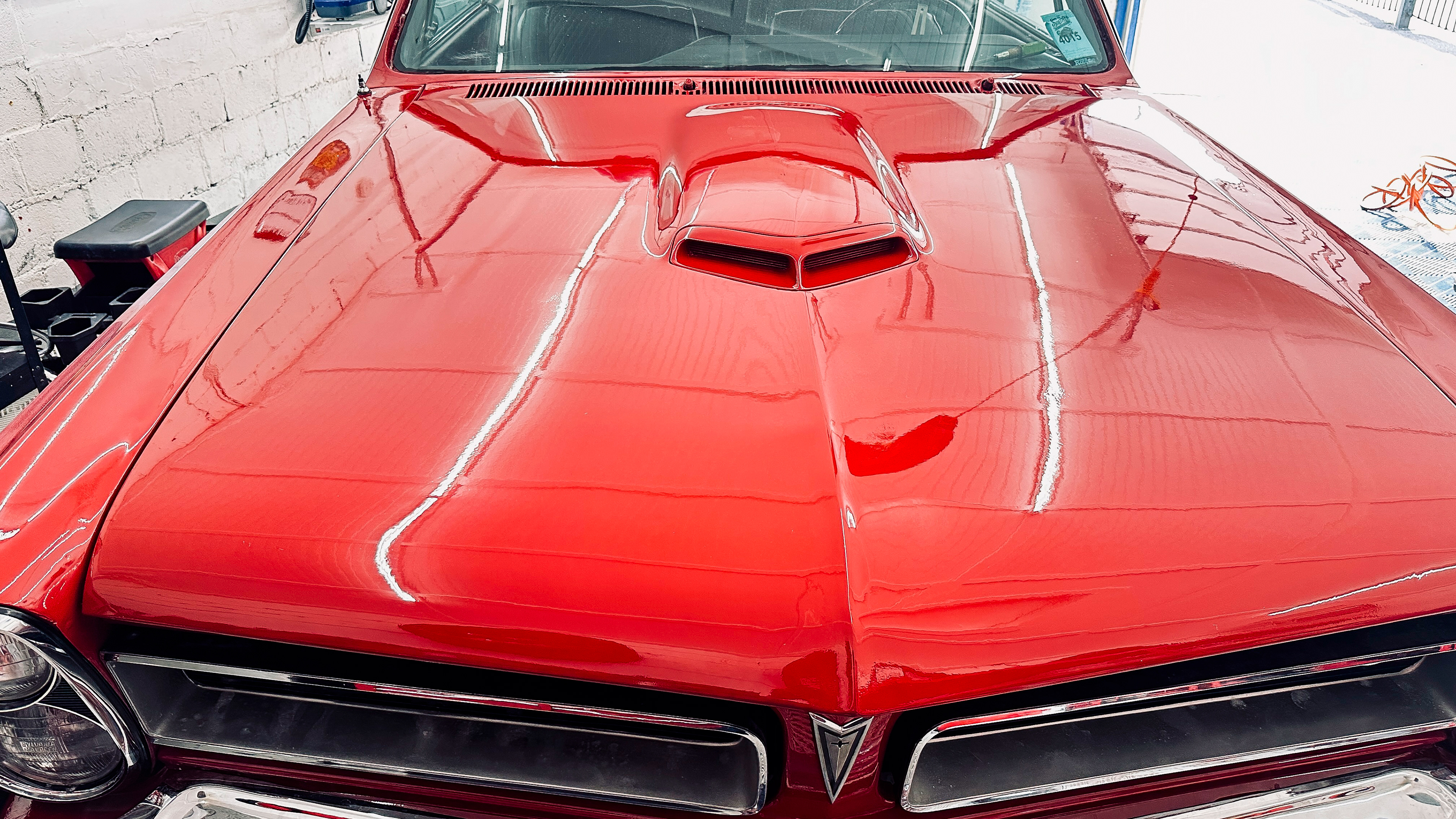
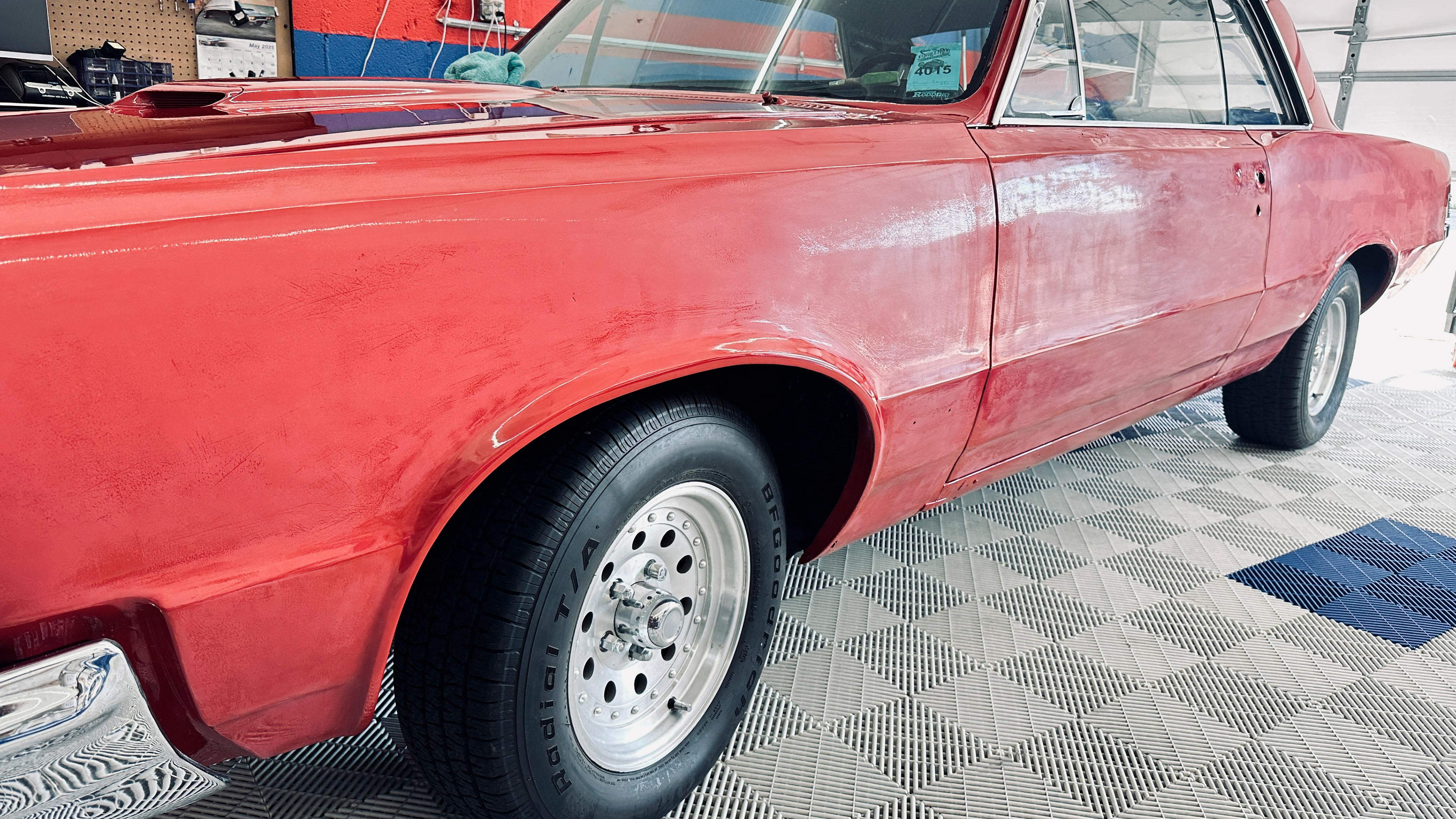
The Challenge: Excessive orange peel and surface texture from a poor application made the red look dull and "milky."
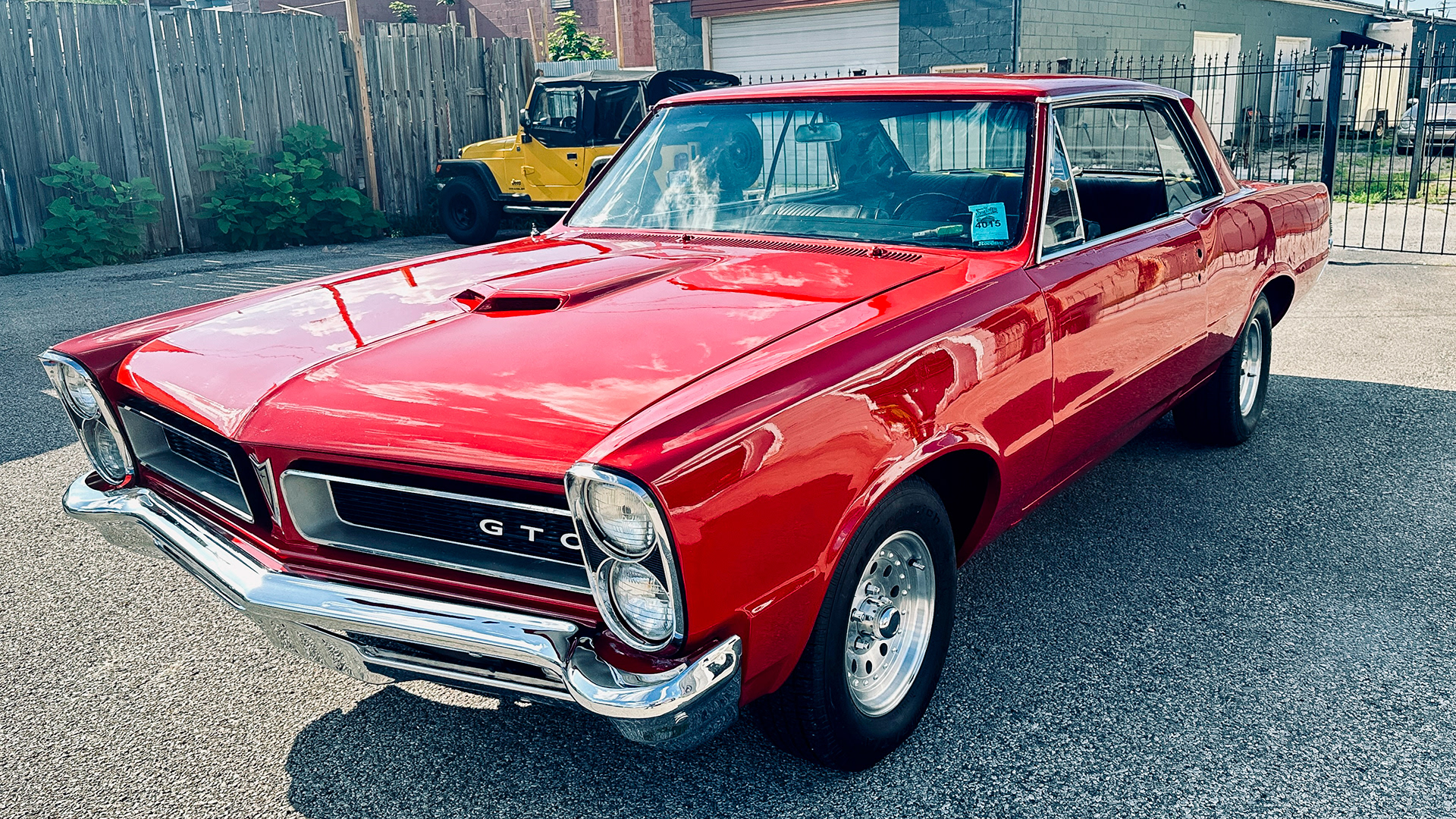
The Solution: By carefully wet sanding the clear coat to a perfectly flat plane and following up with a heavy compound and jewel-polish, we restored the "wet-look" depth this GTO deserved.